
Table of Contents
Cannabidiol (CBD) extract comes from the cannabis plant. Typically, CBD extract is an oil, which manufacturers add to various products, such as creams and lotions. People use CBD extract as treatment for a range of conditions, but there is no scientific evidence to back it up.
In recent years, consumers and researchers have grown more interested in the potential health benefits of CBD extract. The research is promising and suggests there are some tangible benefits. However, in-depth scientific research has not yet caught up to the wide claims consumers and CBD companies make about these products.
People interested in CBD should research manufacturer claims and discuss potential drug interactions with a doctor.
Keep reading to learn more about CBD extract, its potential health benefits, and more.
Is CBD legal? Hemp-derived CBD products with less than 0.3% THC are legal federally but still illegal under some state laws. Cannabis-derived CBD products, on the other hand, are illegal federally but legal under some state laws. Check local legislation, especially when traveling. Also, keep in mind that the Food and Drug Administration (FDA) has not approved nonprescription CBD products, which may be inaccurately labeled.
Cannabidiol is a
Most CBD products sold in the United States are derived from low-THC hemp varieties of cannabis and only contain trace quantities of THC that do not cause a high.
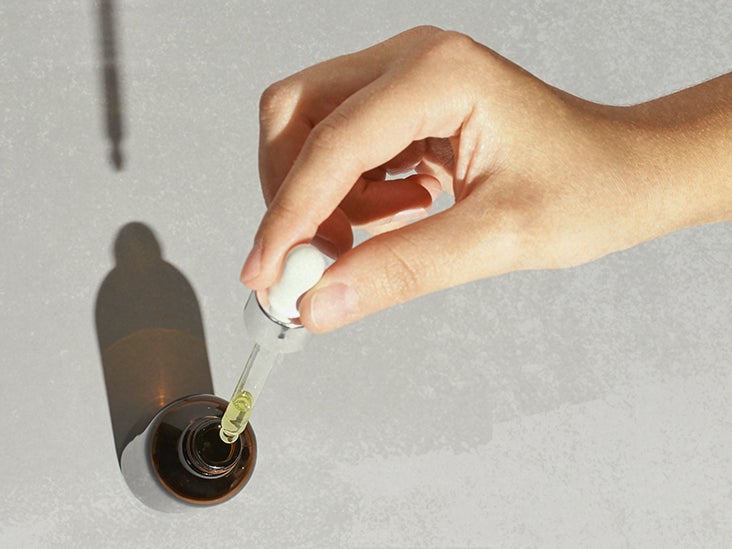
Any substance that comes from a cannabis plant and contains CBD is technically a CBD extract. In most cases, however, CBD extract is synonymous with CBD oil. It is possible to add CBD oil to various products, including lotions, creams, tinctures, and pills.
People use CBD extract because they believe it offers health benefits.
Learn more about CBD oil here.
CBD is a compound that comes from the cannabis plant. Growers extract it from the plant’s flowers or leaves.
There are several different methods of extraction. For example, some large-scale manufacturers use chemicals, such as carbon dioxide or ethanol, to separate CBD from the plant.
Many studies have investigated the potential benefits of CBD extract and offer promising results. However, due to a lack of human research, there is no conclusive evidence that CBD can treat medical conditions, such as pain, inflammation, anxiety, and insomnia.
However, other studies have serious shortcomings, such as small sample sizes, the use of animals rather than people, or only looking at models in vitro, or in Petri dishes, in a lab.
For this reason, there is a lack of conclusive evidence that CBD could be a viable substitute for many standard medical treatments. It may, however, be a valuable add-on to traditional interventions.
The
However, some products that they have investigated do not contain the amount of CBD the manufacturers claim. This makes it difficult to determine an adequate dosage of CBD, which may reduce the likelihood of experiencing any benefits.
CBD users and manufacturers cite that CBD has various benefits, including curing cancer and treating acne. There may be health benefits that scientists have not yet identified with well-designed research since scientific research can take a long time.
However, because current research is limited, people should use CBD with caution. It is not advisable to use CBD in the place of traditional treatments unless a doctor advises it.
However, some of the most well-documented potential benefits include:
Treating seizures
The FDA has approved a drug containing CBD called Epidiolex to treat two rare forms of epilepsy, Lennox-Gastaut and Dravet syndrome. Both forms of epilepsy typically appear in childhood and can be debilitating. They also tend to be resistant to traditional seizure treatments.
Learn more about CBD and seizures here.
Improving gastrointestinal symptoms
Some other potential benefits suggested by preliminary research include:
Learn more about using CBD for IBS here.
Slowing the growth of cancer cells
Several small studies suggest that CBD might slow the growth of cancer cells. However, these studies have looked at cancer cells in a lab setting and not in humans.
Another
There is currently no evidence suggesting that CBD can cure cancer or is a viable alternative to chemotherapy and similar cancer treatments.
The FDA has also approved the drugs Marinol and Syndros to treat nausea and vomiting following chemotherapy. Though there is no CBD in these drugs, they do contain a synthetic form of THC.
Learn more about using CBD for cancer here.
Managing chronic pain
A 2019 study, for example, followed 97 patients at a pain clinic for 8 weeks. All had been taking opioids for pain relief for at least a year.
After adding CBD-rich hemp extract to their treatment regimen, 53% were able to reduce their reliance on opioids, and 94% of CBD users said their quality of life had improved.
However, this was an observational study without the necessary elements of a clinical trial that can drive conclusions such as blinding, randomization, and placebo control.
An Arthritis Foundation survey of 2,600 people found that 79% of respondents use, have used, or are considering using CBD to treat arthritis pain.
Because arthritis is often resistant to other treatments, the Arthritis Foundation has urged the FDA to expedite trials on CBD extract for arthritis and other types of chronic pain.
Learn more about CBD and pain here.
Supporting mental health
Many cannabis users, including CBD users, claim that it improves their mental health.
A 2020 systematic review found moderate evidence for the use of CBD to manage schizophrenia and social anxiety based on rigorous human clinical trials.
Other health benefits
The National Center for Complementary and Integrative Health (NCCIH) points to several studies suggesting other potential benefits of cannabis-based products.
These studies looked primarily at cannabis, not CBD extract alone, so it is difficult to discern whether the benefits come from CBD, THC, or one of the dozens of other potentially therapeutic compounds identified in cannabis.
Some potential benefits of cannabis products include:
- modest improvements in some symptoms of multiple sclerosis
- reductions in sleep problems, especially in people with underlying health issues that disrupt sleep
Because the FDA only regulates CBD drugs approved for seizures, there is no scientifically proven or regulated dosage of this supplement for non-seizure conditions.
People interested in trying CBD should first discuss this plan with a doctor.
A good rule of thumb is to avoid using CBD with any medication that carries a grapefruit warning as CBD and grapefruit interact with similar medications. So ask about drug interactions before proceeding.
Next, check that the manufacturer conducts regular purity tests and has not recently received a warning letter from the FDA.
Read the instructions on the label carefully and start with the lowest possible dose. Monitor for side effects, then gradually increase the dosage based on the body’s reaction. Do not take more than the recommended amount.
Learn more about CBD dosage here.
Except for the limited number of FDA-approved seizure disorders, CBD CBD remains an alternative treatment. This means that there is no recommended dosage for most health conditions, and users must closely monitor their reactions to CBD.
However, many CBD users often report improvements in their symptoms and quality of life.
Because CBD remains an alternative remedy, doctors do not know all of its potential side effects or the drugs it may negatively interact with.
People interested in using CBD should start with a small dose, carefully monitor symptoms, and use it to complement rather than replace standard treatments.
Research into the health benefits of CBD is ongoing.
https://www.medicalnewstoday.com/articles/cbd-extract